
Best Non-Toxic Clean Kids Makeup 2026: Safe Brands by Age (4-18 Years)
Quick Navigation:
Why It Matters | Ingredients to Avoid | What to Look For | Age-by-Age Guide | Brand Recommendations | Reading Labels | FAQs | Free ChecklistLet's have an honest conversation, parent to parent: When your child starts showing interest in makeup, it opens up a whole new world of questions. Whether they're playing dress-up at age 7 or asking for "real" makeup as a teenager, you want to support their self-expression while keeping them safe.
The good news? There are now genuinely safer options available. The challenge? Knowing how to find them and what's appropriate for different ages. This guide will walk you through everything—from understanding ingredients to choosing the right products for your child's age and needs.
Understanding Why Kids' Makeup Safety Deserves Attention
Here's something worth knowing: cosmetic products marketed to children aren't automatically held to stricter safety standards. A 2024 Columbia University study found that approximately 70% of children ages 12 and under use makeup and body products marketed to kids, and research shows these products can contain concerning ingredients like heavy metals, synthetic fragrances, and other chemicals.
Why Children's Bodies Process Chemicals Differently
Children aren't just small adults—their bodies work differently:
- Developing skin barriers that can allow chemicals to absorb more readily
- Growing organs and hormonal systems that are more sensitive to chemical exposure during key developmental stages
- Different surface-area-to-weight ratios meaning proportionally higher exposure from the same amount of product
- Increased hand-to-mouth activity in younger children, raising ingestion risks
Research published in the International Journal of Dermatology notes that children's skin can have increased absorption under certain conditions, making ingredient selection particularly important for this age group.
Important Context About Regulations
In the United States, the FDA does not require cosmetic manufacturers to conduct safety testing before products go to market. According to FDA guidance, companies are responsible for ensuring their own products are safe—but there's no mandatory pre-market testing or approval process.
The recent Modernization of Cosmetics Regulation Act of 2022 (MoCRA) has expanded FDA authority, including requirements for adverse event reporting and facility registration, but cosmetics still aren't pre-approved like drugs.
Ingredients to Be Aware Of
Rather than creating fear, let's focus on what to look for and what you might want to avoid. Understanding these ingredients helps you make informed decisions.
📊 Visual Guide: Safe vs. Harmful Ingredients
Use this quick-reference infographic while shopping to identify safe ingredients and avoid concerning ones:

Save this image to your phone for easy reference while shopping!
Heavy Metals: What Research Shows
A 2016 study analyzing Halloween face paints found that nearly half of 187 products tested contained detectable levels of heavy metals like lead, cadmium, and arsenic—none of which were listed on labels.
What Parents Should Know About Lead
According to the CDC, lead exposure can affect learning, behavior, and development in children. The Mayo Clinic notes that children under age 6 are especially vulnerable because their bodies and brains are still developing.
While cosmetic-grade mineral pigments used in quality makeup are purified and different from raw heavy metals, checking for third-party testing and transparent ingredient sourcing is helpful.
Endocrine-Disrupting Chemicals (EDCs)
These are chemicals that may interfere with hormone function. The National Institute of Environmental Health Sciences explains that EDCs can potentially mimic, block, or interfere with the body's hormones.
Common EDCs in cosmetics include:
| Ingredient | Where It's Found | What Research Suggests |
|---|---|---|
| Phthalates | Fragranced products, nail polish, hair spray | A 2024 George Mason University study found associations between personal care product use and phthalate levels in children's urine. |
| Parabens | Preservatives in cosmetics, lotions, shampoos | Research suggests they can mimic estrogen. The Endocrine Society notes concerns about developmental effects. |
| Synthetic Fragrances | Listed as "fragrance" or "parfum" | Can contain undisclosed phthalates and allergens. "Fragrance" is considered a trade secret and doesn't require full disclosure. |
| Triclosan | Some antibacterial cosmetics | May affect thyroid hormones according to animal studies. Banned in hand soaps but still allowed in cosmetics. |
A 2024 narrative review examining cosmetic ingredients notes that parabens and phthalates have been identified as endocrine disruptors with links to reproductive and developmental concerns in research studies.
Other Ingredients to Consider
Synthetic Dyes (FD&C and D&C colors): These petroleum-based colorants have been associated with hyperactivity and allergic reactions in some research. Interestingly, some dyes restricted in food remain legal in cosmetics.
Talc: While pure talc is safe, naturally occurring talc deposits can be contaminated with asbestos. MoCRA now requires FDA to establish testing methods for asbestos in talc-containing cosmetics, acknowledging this as an area requiring attention.
What to Look For in Safer Makeup
Now for the practical part—what actually makes makeup safer for kids and teens?
Mineral-Based Formulations
Quality kids' makeup often uses purified mineral-derived pigments:
- Mica - Naturally occurring mineral providing shimmer and color
- Iron oxides - Mineral-based colorants when responsibly sourced
- Titanium dioxide and zinc oxide - Safe mineral pigments (non-nanoized forms preferred)
Note: These cosmetic-grade minerals are purified and stable—completely different from raw heavy metals.
Plant-Based and Natural Ingredients
Look for nourishing ingredients like:
- Shea butter and cocoa butter
- Plant waxes (beeswax, candelilla wax)
- Nourishing oils (sunflower, jojoba, sweet almond)
- Fruit and vegetable-based pigments
Safer Preservatives
Instead of parabens, quality brands use alternatives like:
- Vitamin E (tocopherol)
- Rosemary extract
- Radish root ferment
The "Free From" Checklist
When shopping, look for products free from:
- Parabens (methylparaben, propylparaben, etc.)
- Phthalates (often hidden in "fragrance")
- Synthetic fragrances (look for "no synthetic fragrance" or specific essential oils listed)
- FD&C and D&C dyes (synthetic colors)
- Talc
- Formaldehyde and formaldehyde-releasing preservatives
- Petroleum-derived ingredients (mineral oil, paraffin, petrolatum)
- Triclosan
Age-Appropriate Makeup Recommendations
Please note: This article contains affiliate links. When you purchase through these links, we may earn a commission at no additional cost to you. These commissions help support our research and allow us to continue providing detailed, science-backed guides for parents. We only recommend products that meet our safety standards and genuinely believe in their quality.
Different ages call for different approaches. Here's how to think about makeup across childhood and adolescence.
Ages 4-7: Play Makeup Only
At this age, makeup should be about creative play and imagination—not appearance. Think of it like washable markers for the face!
What to look for:
- Water-based formulas that wash off easily with soap and water
- Very minimal ingredients
- Bright, fun colors that encourage creativity
- No small parts that could be choking hazards

Popsicle Beauty Club Natural Kids Makeup Kit
Perfect for creative play with mineral-based pigments and gentle, skin-friendly formulas. Follows the Credo Clean Standard (2,700+ banned ingredients) and excludes all petroleum-derived colorants.
What's included: Natural eyeshadow, blush, and vegan lipstick in a fun, colorful palette kids love.
Shop Popsicle Beauty ClubAges 8-11: Transitional Years
This is when kids might want makeup for special occasions—birthday parties, performances, or family celebrations. They're ready for slightly more "real" products but should still stick with specifically formulated kids' makeup.
What to look for:
- Still primarily mineral-based
- More subtle, natural-looking colors
- Easy application (they're learning!)
- Products that teach good habits (like removal before bed)

Klee Naturals Mineral Makeup
Made with minerals and natural ingredients like beeswax and shea butter. Free from talc, parabens, phthalates, synthetic dyes, and artificial fragrances. Made in the USA with a portion of proceeds supporting Texas Scottish Rite Hospital for Children.
What makes it great: Both kids' and tween lines available, plus water-based nail polish. Natural mineral eyeshadows and blushes in age-appropriate shades.
Shop Klee Naturals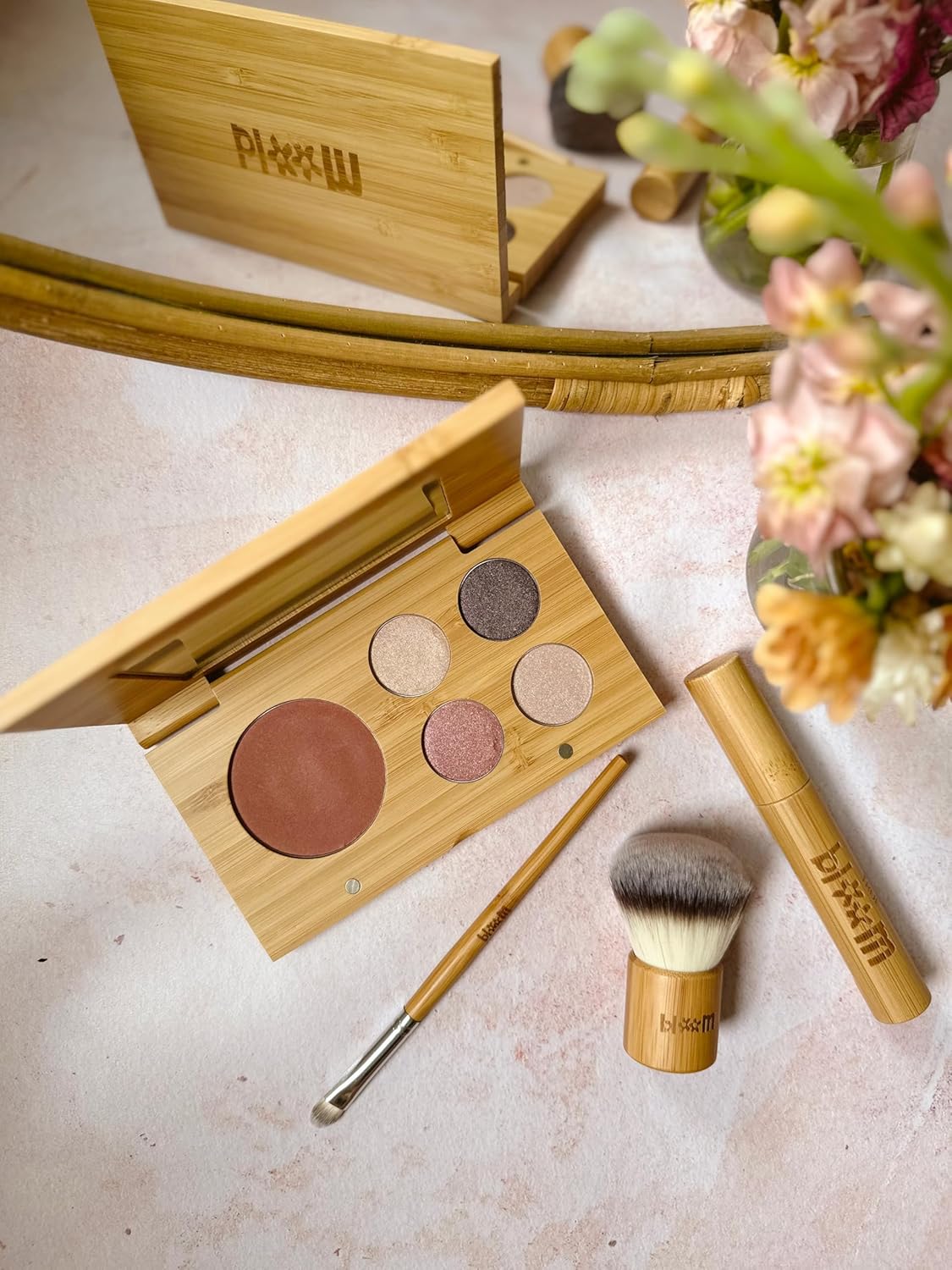
True Bloom Kids Natural Makeup Kit
Bridges the gap between play makeup and everyday cosmetics with soft, neutral shades. Formulated to be 100% natural and organic, free from silicones, parabens, phthalates, and petroleum. Features bamboo packaging and refillable compacts for sustainability.
Perfect for: Tweens who want a natural look without overwhelming color. Great starter kit for learning makeup application.
Shop True Bloom Kids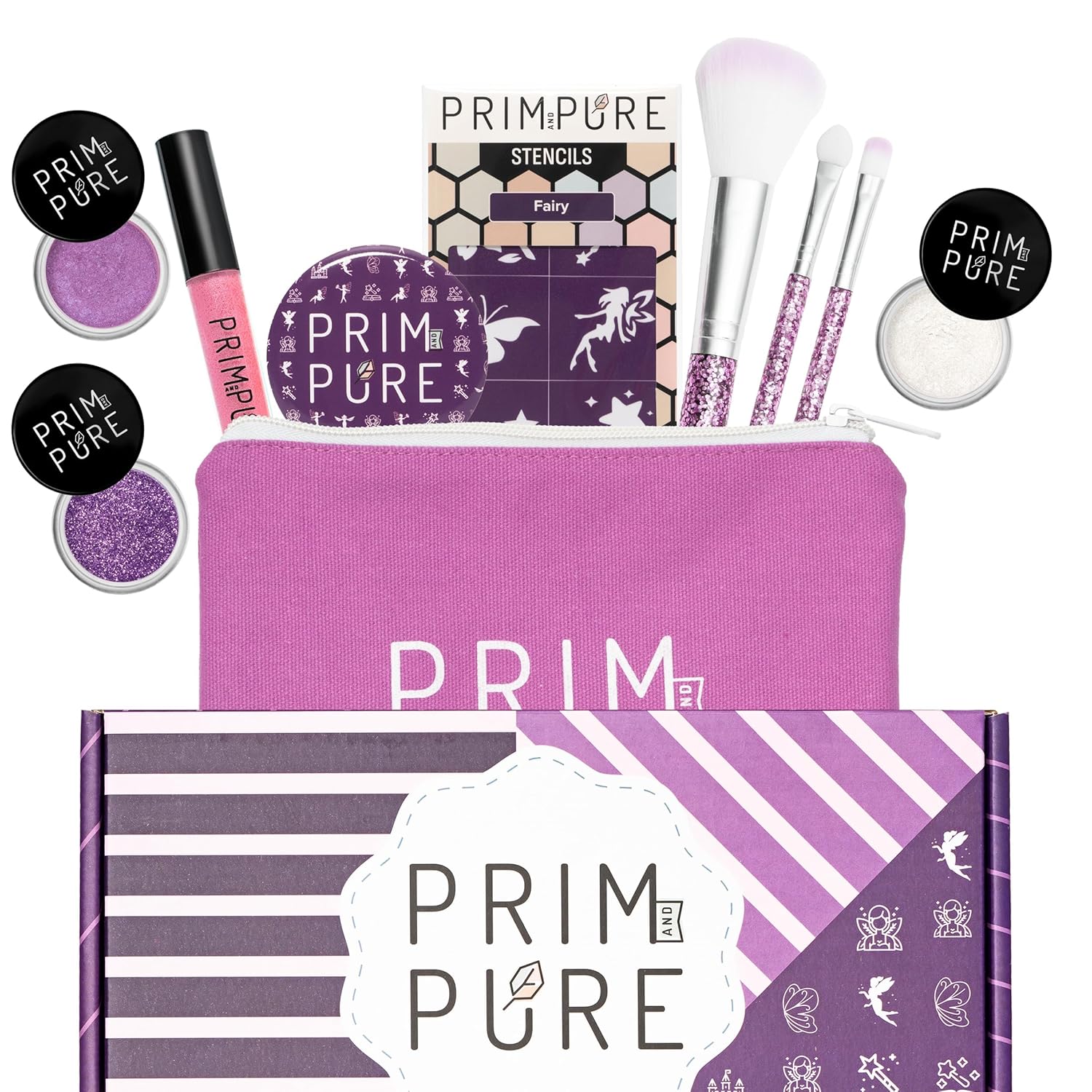
Prim & Pure Organic Makeup Collection
Colorful, fun makeup free from toxic chemicals, heavy metals, petroleum-based ingredients, parabens, GMOs, and synthetic fragrances. Cruelty-free with many organic ingredients. Lower plastic packaging with bamboo options.
Great features: Separate kids' and tweens' lines. Also offers pretend play faux makeup sets for younger children learning application skills.
Shop Prim & PureAges 12-15: Teen Makeup Begins
This is when makeup transitions from play to self-expression and experimentation. Teens are ready for more variety but still need clean formulas.
What to look for:
- Brands with transparent ingredient sourcing
- Products designed for sensitive or developing skin
- Formulas that won't clog pores (important as hormones shift)
- Natural-looking everyday options plus bolder colors for special occasions
Quick Comparison: Our Recommended Clean Makeup Brands
| Brand | Best For Ages | Price | Key Features | Best For |
|---|---|---|---|---|
| 100% Pure | 14-18 | $$$ | Fruit-pigmented, 100% vegan, Leaping Bunny certified | Teens wanting vibrant colors & full coverage |
| Lily Lolo | 13-18 | $$ | Mineral makeup, powder formulas, cruelty-free | Oily/acne-prone skin, beginners |
| Toups & Co | 14-18 | $$$ | Grass-fed tallow, organic oils, handcrafted in USA | Sensitive/eczema-prone skin |
| Gabriel Cosmetics | 12-17 | $ | Vegan, organic, gluten-free, decades-old brand | Budget-conscious, Amazon shoppers |
Price Key: $ = Budget-friendly ($10-$25) | $$ = Mid-range ($25-$40) | $$$ = Premium ($40-$60)
Ages 16+: Everyday Makeup Users
Older teens can branch into adult clean beauty brands, but ingredient awareness remains important.
What to look for:
- Full makeup lines (foundation, concealer, mascara, etc.)
- Quality formulas that perform well
- Products that work with their specific skin type
- Brands committed to transparency and clean ingredients
Clean Makeup Brands for Tweens & Teens (Ages 12-18)
Once your child reaches the tween and teen years, they're ready to transition from play makeup to real, everyday products. The good news? There are now excellent clean makeup brands specifically formulated for developing skin—or clean adult brands that work beautifully for younger users.

100% Pure Fruit Pigmented Makeup
This brand uses actual fruit and vegetable extracts to color their makeup—no synthetic FD&C dyes, no mineral colorants. Their formulas are 100% vegan, gluten-free (except mascara), and Leaping Bunny certified. Perfect for teens who want full coverage foundation, vibrant eyeshadows, and real makeup performance without toxic ingredients.
Why teens love it: Wide shade ranges, highly pigmented colors, fruit-scented products, Instagram-worthy packaging, and real professional-quality makeup.
Key features: Uses pomegranate, cherry, and rose petal extracts for color | Available on Amazon with Prime shipping | Great for special occasions or daily wear | Wide foundation shade range for diverse skin tones.
Best products: Healthy Foundation, Berry Naked Palette, Fruit Pigmented Mascara
Shop 100% Pure
Lily Lolo Mineral Makeup
An affordable mineral makeup brand that's been a favorite in the clean beauty space for years. Their powder formulas are perfect for oily or combination teen skin, and everything is free from parabens, phthalates, and synthetic fragrances. All products are cruelty-free with many vegan options.
Why teens love it: Affordable prices, natural finish that doesn't look heavy, perfect for beginners, ideal for acne-prone skin, and lightweight powder formulas.
Key features: Won't clog pores (non-comedogenic) | Mineral Foundation includes SPF 15 | Natural matte finish perfect for oily teen skin | Amazon Prime eligible.
Best products: Pressed Blush, Mineral Foundation SPF 15, Natural Lip Gloss
Shop Lily Lolo
Toups & Co Organic Makeup
Founded by a mom dealing with her daughter's eczema, Toups & Co creates truly clean makeup with pronounceable ingredients like grass-fed tallow, organic olive oil, and essential oils. Their products are handcrafted in Alabama using ingredients from sustainable U.S. farms. Ideal for sensitive skin and teens learning about ingredient transparency.
Why teens love it: Ingredients you can actually pronounce, skincare benefits in makeup, gorgeous natural finishes, supports small family farms, and perfect for sensitive or eczema-prone skin.
Best products: Liquid Foundation, Mineral Foundation, Cream Cheek Tint (multi-use!)
Shop Toups & Co
Gabriel Cosmetics
A truly natural makeup brand that's been around for decades, offering quality products at drugstore prices. Everything is vegan, cruelty-free, and made with organic ingredients. Free from parabens, phthalates, talc, FD&C dyes, and gluten—perfect for teens with sensitivities or those on a budget.
Why teens love it: Most affordable truly natural brand, available on Amazon with Prime shipping, gentle on skin, great color payoff.
Best products: Natural Lipsticks, Thistle Cream Highlighter, Mineral Makeup
Shop Gabriel Cosmetics💡 Shopping Tip for Teens
If you're a teen reading this: Start with one or two products (like a tinted lip balm or cream blush) rather than buying an entire makeup collection at once. This lets you test what works for your skin and what you actually enjoy using. Once you find products you love, you can gradually build your collection with clean options!
Teaching Your Child About Ingredient Awareness
One of the most valuable things you can do is teach your children to be informed consumers. This skill will serve them their entire lives.
Age-Appropriate Conversations
Ages 5-7: "We choose makeup made just for kids with ingredients that are gentle on your skin."
Ages 8-11: Start teaching basics: "Let's count the ingredients—shorter lists are often better. Some ingredients can irritate skin or aren't healthy for growing bodies."
Ages 12+: Deeper discussions: "Companies don't have to test makeup for safety before selling it. That's why we read ingredients and choose brands that care about what goes into their products."
Make It Interactive and Empowering
Instead of just telling them what to avoid, involve them:
- Let them help compare ingredient lists between products
- Show them how to use resources (like the SafeScout chat tool in the bottom right corner of our site!)
- Discuss why certain ingredients are used and what safer alternatives exist
- Talk about marketing tactics and how to see through them
💬 Use SafeScout for Ingredient Questions
Have questions about specific ingredients or products? Click the chat icon in the bottom right corner to talk with SafeScout, our ingredient safety assistant. It's a great tool to explore with your teen when shopping for makeup!
Navigating the "Sephora Kids" Trend
You've probably heard about tweens flocking to Sephora and Ulta for high-end skincare and makeup. While it's natural for kids to be curious about these products, most aren't designed for young skin.
Why Adult Products Aren't Ideal for Kids
Many trending products contain:
- Retinol and retinoids - Designed for aging skin, can cause irritation and sun sensitivity in young skin
- Strong exfoliating acids (glycolic, salicylic) - Too harsh for developing skin barriers
- High-concentration vitamin C - Can irritate sensitive young skin
These ingredients address concerns kids don't have. Young skin is already perfectly balanced—it doesn't need anti-aging treatments!
Having the Conversation
Try this approach:
- Acknowledge their interest: "I totally understand why those products look appealing—the packaging is fun and influencers make them seem cool."
- Explain the science: "Your skin is actually in its prime right now. Products made for adults can actually damage young, healthy skin."
- Offer age-appropriate alternatives: "Let's find products that are actually made for your age that won't hurt your skin."
- Focus on long-term skin health: "Taking care of your skin now means it'll stay healthy longer—that's way better than trying to fix damage later."
Reading Labels Like a Pro
Here's your quick-reference guide to decoding ingredient lists:
Order Matters
Ingredients are listed by weight, highest to lowest. If concerning ingredients appear in the first five, that's worth noting.
Common Names to Recognize
| On the Label | What It Means |
|---|---|
| Ends in "-paraben" | Preservative associated with hormone disruption (methylparaben, propylparaben, etc.) |
| "Fragrance" or "Parfum" | Can contain dozens of undisclosed chemicals; ask brands that list specific fragrance ingredients |
| FD&C or D&C + color + number | Synthetic dyes derived from petroleum (example: FD&C Red 40) |
| Petrolatum, mineral oil, paraffin | Petroleum-derived ingredients |
| Starts with "PEG-" | Polyethylene glycols; may contain concerning impurities from manufacturing |
Your Best Resource: SafeScout
Have questions about specific ingredients while shopping? Use SafeScout (the chat icon in the bottom right corner of our site) to get instant answers about ingredient safety and what to look for in products.
Understanding "Clean Beauty" Claims
Not all "clean beauty" claims are created equal. Here's what to know:
Unregulated Terms
These words aren't legally defined for cosmetics and can mean different things to different brands:
- "Natural"
- "Clean"
- "Pure"
- "Green"
- "Non-toxic" (interpretation varies widely)
Always read the actual ingredient list rather than relying on marketing terms.
Third-Party Certifications That Add Value
USDA Organic: For products with this seal, at least 95% of ingredients must be organically produced.
Leaping Bunny or PETA Cruelty-Free: Confirms no animal testing on the product or ingredients.
Made Safe: Rigorous screening for harmful ingredients.
NSF/ANSI 305: Personal care products containing organic ingredients.
Your Action Plan: Getting Started
Ready to make changes? Here's a practical roadmap:
Step-by-Step Implementation
- Assess what you have: Check current makeup products your child uses. Use the SafeScout chat or apps like Think Dirty to evaluate ingredients.
- Start with the basics: Replace the products used most frequently first (lip products, face products used daily).
- Choose age-appropriate options: Use our age guidelines above to select suitable products.
- Set clear expectations: Talk with your child about when and how makeup will be used (play vs. special occasions vs. daily wear).
- Teach as you go: Make ingredient checking a habit you do together.
- Adjust as they grow: Revisit your approach as your child matures and their needs change.
📥 FREE Download: Safe Makeup Ingredients Checklist
Get our printable 2-page guide to safe vs. harmful ingredients—perfect for shopping!
Includes: ✓ Red Flags (10 Ingredients to Avoid) ✓ Green Lights (8 Safe Ingredients) ✓ Label Reading Tips ✓ Age-by-Age Guide ✓ Shopping Checklist ✓ Third-Party Certifications
Download Free Checklist (PDF)Print it out and keep it in your purse, or save it to your phone for quick reference at the store!
Frequently Asked Questions About Kids' Makeup
What age is safe to start using makeup?
Play makeup can be introduced as early as age 4-5 for creative play, using water-based, mineral formulas designed specifically for children. For "real" makeup worn regularly, most dermatologists recommend waiting until age 12-13, starting with minimal products like tinted lip balm and mascara. The key is choosing age-appropriate formulas—not adult products marketed to kids.
Is kids' makeup regulated by the FDA?
No. The FDA does not require cosmetic manufacturers to test products for safety before they go to market, and kids' makeup isn't held to stricter standards than adult cosmetics. This is why choosing brands with third-party testing and transparent ingredient lists is essential for children's products.
What ingredients should I avoid in kids' makeup?
Avoid: parabens (hormone disruptors), phthalates (often hidden in "fragrance"), talc (asbestos risk), synthetic dyes (FD&C/D&C colors), formaldehyde-releasing preservatives, petroleum-derived ingredients, and triclosan. Look for mineral-based formulas with plant oils and natural preservatives like vitamin E.
Can my tween use adult makeup if it's "clean"?
It depends. Clean adult makeup may still contain active ingredients (retinol, strong acids) that are too harsh for developing skin. For tweens ages 10-13, stick with brands specifically formulated for their age group. Teens 14+ can transition to clean adult brands, but avoid anti-aging products with active ingredients their skin doesn't need.
How do I know if a brand is truly non-toxic?
Look for: (1) Complete ingredient transparency, (2) Third-party certifications (USDA Organic, Made Safe, etc.), (3) EU compliance (bans 1,400+ ingredients vs. US's 11), and (4) Brands that disclose fragrance components. Use SafeScout (chat icon on our site) to check specific ingredients before purchasing.
What's the difference between play makeup and real makeup for kids?
Play makeup (ages 4-10) is designed to wash off easily with water, uses minimal ingredients, and focuses on fun colors for imaginative play. Real makeup for tweens/teens offers better coverage and wearability but should still use clean, age-appropriate formulas without anti-aging actives or harsh chemicals.
Are expensive clean brands really better than drugstore brands?
Not always. Price doesn't guarantee safety. Some affordable brands (like Honest Beauty, Burt's Bees) offer clean formulas, while expensive brands may still contain questionable ingredients. Always check the actual ingredient list rather than trusting price or marketing claims like "natural" or "clean."
Should I let my daughter shop at Sephora for makeup?
The "Sephora kids" trend is concerning because most Sephora products are formulated for adult skin and contain active ingredients (retinol, strong acids) that can damage young skin. If your tween wants Sephora products, help them choose clean brands available there (like Honest Beauty, Tower 28) and skip anti-aging products entirely.
Final Thoughts
Navigating kids' makeup doesn't have to be overwhelming. While there are legitimate concerns about certain cosmetic ingredients, there are also wonderful brands creating genuinely safer options for children and teens.
The goal isn't perfection—it's making informed choices when possible and teaching our kids to do the same. Every safer product you choose, every conversation you have about ingredients, every time you help your child understand marketing versus reality—it all adds up.
Your child's curiosity about makeup is normal and can be channeled in healthy, creative ways. With the right products and the right approach, makeup can be a fun form of self-expression that doesn't compromise their health.
Remember: You're not just choosing makeup—you're teaching your child to value their health and make thoughtful decisions. That's a lesson that will serve them far beyond their teenage years.
Continue Your Safe Product Journey
Looking for more guidance on choosing non-toxic products for your kids? Check out our other comprehensive guides:
- Non-Toxic Kids Shampoo & Bath Products: Top Recommendations - Everything you need to know about safe bath time products
- Best Non-Toxic Baby Lotions: Safe & Natural Options - Our guide to choosing gentle, effective moisturizers for sensitive skin
Important Disclaimer
This article is for educational purposes and should not be considered medical advice. While we cite peer-reviewed research and authoritative sources, every child is different. If you have concerns about your child's exposure to cosmetic ingredients or if they experience adverse reactions, please consult with a pediatrician or dermatologist.
Product recommendations are based on publicly available ingredient information. We may earn a commission from affiliate links, but this doesn't influence our recommendations—we only suggest products that meet our safety standards. Always check current ingredient lists before purchasing, as formulations can change.
Questions about ingredients?
Chat with SafeScout using the icon in the bottom right corner for instant answers about makeup ingredients and product safety.