
Non-Toxic First Aid for Kids: PFAS-Free Bandages & Safe Wound Care Guide (2026)
Our son is one of those kids who never walks when he can run, never sits when he can climb, and treats every outdoor space like his personal adventure course. He's fearless, curious, and absolutely loves being outside—which means bruises, bumps, and scrapes are just part of his normal day-to-day life. We've gone through more bandages in his first few years than I ever imagined possible.
 For the longest time, I never thought twice about the first aid products we were using. Bandages are designed to help wounds heal, so they must be safe, right? That assumption shattered when I stumbled across a shocking study from April 2024 revealing that 65% of bandages tested contained PFAS "forever chemicals." Suddenly, I realized that every time I reached for a conventional Band-Aid to cover one of his scrapes, I could be placing toxic chemicals directly on his open wound—giving them a direct pathway into his bloodstream.
The reality is far more troubling than most parents realize. From PFAS in adhesive bandages to harsh chemical antiseptics that can actually delay healing, conventional first aid kits are hiding toxins that our children's bodies absorb through their most vulnerable entry point: open wounds. If you've ever wondered whether there's a safer way to care for your family's cuts, scrapes, and minor injuries, you're in the right place. This comprehensive guide will walk you through everything you need to know about building a truly non-toxic first aid kit—one that protects your children without exposing them to harmful chemicals.
The Shocking Truth About Conventional First Aid Products
PFAS "Forever Chemicals" in Bandages
In April 2024, a groundbreaking investigation by Mamavation and Environmental Health News sent shockwaves through the parenting community. Using an EPA-certified laboratory, researchers tested 40 different bandage products from major brands—and the results were alarming.
Key Findings from the Study:
→ 26 out of 40 bandages (65%) tested positive for PFAS markers
→ Organic fluorine levels ranged from 11 PPM to a shocking 374 PPM
→ The worst offender? Band-Aid OURTONE Flexible Fabric bandages at 374 PPM on adhesive flaps
→ 10 out of 16 skin-tone bandages for people of color tested positive for PFAS
PFAS (per- and polyfluoroalkyl substances) are a family of over 12,000 synthetic chemicals that have earned the nickname "forever chemicals" because they don't break down naturally in the environment or in our bodies. According to the National Institute of Environmental Health Sciences, 97% of Americans have PFAS in their blood.
Why PFAS in Bandages Is Especially Concerning
The presence of PFAS in bandages creates a uniquely dangerous exposure pathway. When you apply a bandage to a cut or scrape, you're placing these chemicals directly on an open wound—bypassing your skin's protective barrier and allowing PFAS to enter your bloodstream directly.
As Dr. Linda Birnbaum, former director of the National Institute of Environmental Health Sciences, stated in the study: "Because bandages are placed upon open wounds, it's troubling to learn that they may be also exposing children and adults to PFAS. It's obvious from the data that PFAS are not needed for wound care, so it's important that the industry remove their presence to protect the public."
Health Risks Linked to PFAS Exposure:
According to research from the Agency for Toxic Substances and Disease Registry, PFAS exposure has been associated with:
→ Increased risk of certain cancers (kidney and testicular)
→ Thyroid disease and hormonal disruption
→ Reduced vaccine effectiveness in children
→ Immune system dysfunction
→ Developmental delays in infants and children
→ Fertility issues and pregnancy complications
→ High cholesterol and liver damage
Other Toxins Lurking in Your First Aid Kit
PFAS aren't the only concern. Many conventional first aid products contain a cocktail of questionable ingredients:
Antiseptic Sprays & Wipes: Most conventional first aid sprays contain benzalkonium chloride, an antibacterial agent that has demonstrated neurotoxicity in animal studies and acts as an endocrine disruptor. Traditional alcohol-based antiseptics can be unnecessarily harsh, stinging severely and potentially delaying healing by damaging healthy tissue around the wound.
Antibiotic Ointments: Triple antibiotic ointments often contain petroleum-based ingredients, artificial preservatives like parabens, and synthetic fragrances. Neomycin, a common ingredient, is a known skin irritant that causes allergic reactions in many people.
Bandage Adhesives: Beyond PFAS, adhesives may contain formaldehyde (a known carcinogen), phthalates (linked to hormonal disruption), and BPA (associated with developmental issues). Latex, still used in some products, causes allergic reactions in approximately 1-6% of the population.
Toxic Ingredients to Avoid in First Aid Products
When building a non-toxic first aid kit, knowing what to avoid is just as important as knowing what to include. Here's your checklist of ingredients that have no place in products you're putting on open wounds:
PFAS (Per- and Polyfluoroalkyl Substances)
Found in: Adhesive bandages, medical tape, waterproof products
Why avoid: Never break down in environment or body; linked to cancer, immune dysfunction, developmental delays, hormonal disruption
Look for on labels: Products rarely disclose PFAS; look for PFAS-free certification or avoid conventional plastic-based bandages
Formaldehyde & Formaldehyde-Releasing Preservatives
Found in: Adhesives, some antiseptic wipes
Why avoid: Known carcinogen; can cause skin irritation and allergic reactions
Look for on labels: Formaldehyde, quaternium-15, DMDM hydantoin, imidazolidinyl urea
Phthalates
Found in: Flexible plastic bandages, some adhesive tapes
Why avoid: Endocrine disruptors linked to reproductive and developmental issues
Look for on labels: DBP, DEP, DEHP, or any ingredient ending in "phthalate"
BPA (Bisphenol A)
Found in: Some plastic packaging and bandage materials
Why avoid: Hormonal disruptor associated with various health concerns
Look for on labels: BPA; choose products labeled "BPA-free"
Petroleum-Based Ingredients
Found in: Many antibiotic ointments and healing balms
Why avoid: Can contain contaminants; may interfere with skin's natural healing
Look for on labels: Petrolatum, petroleum jelly, mineral oil, paraffin
Benzalkonium Chloride
Found in: Antiseptic sprays, first aid wipes
Why avoid: Neurotoxicity in animal studies; endocrine disruptor; harsh on skin
Look for on labels: Benzalkonium chloride, BAC, alkyl dimethyl benzyl ammonium chloride
Parabens
Found in: Ointments, creams, some antiseptic products
Why avoid: Hormone disruptors that can mimic estrogen
Look for on labels: Methylparaben, propylparaben, butylparaben
Artificial Fragrances
Found in: Scented wipes, bandages, ointments
Why avoid: Can contain hundreds of undisclosed chemicals; common allergen
Look for on labels: "Fragrance" or "Parfum" (can hide many chemicals)
Triclosan
Found in: Some antibacterial products
Why avoid: Contributes to antibiotic resistance; endocrine disruptor
Look for on labels: Triclosan, triclocarban
Best PFAS-Free Bandages for Families
The good news? Effective, safe bandages do exist. Here are the top PFAS-free options that have been independently tested or verified to be free from harmful chemicals.
Tier 1: Bamboo Bandages (Compostable + PFAS-Free)
These represent the gold standard in non-toxic wound care. Made from sustainable bamboo fiber with mineral-based adhesives, they're not only PFAS-free but also biodegradable.

PATCH Organic Bamboo Travel Bandage Kit (29 Pieces)
This compact travel kit from PATCH includes 29 biodegradable bamboo bandages in various sizes, perfect for on-the-go families. PATCH bandages were tested by an EPA-certified lab as part of the Mamavation study and showed zero detection of organic fluorine (PFAS marker).
What makes it special:
→ Lab-verified PFAS-free by independent testing
→ 100% bamboo fiber with mineral-based adhesive
→ Biodegradable and compostable (breaks down in weeks)
→ Hypoallergenic and gentle on sensitive skin
→ TSA-friendly compact size for travel
Best for: Families who travel frequently; those prioritizing sustainability; sensitive skin
Pricing: $$
Shop on Nature Kids Co Shop on Amazon
FEBU Shape Scapes Bamboo Fabric Bandages (50 Count)
FEBU bandages are rigorously third-party tested to confirm they're free from PFAS, MI, MCI, and other known irritants. Made from premium organic bamboo viscose, they break down completely in home compost within 10 weeks.
What makes it special:
→ Third-party verified PFAS-free certification
→ Free from methylisothiazolinone (MI) and methylchloroisothiazolinone (MCI)
→ FSC-certified plastic-free packaging
→ Flexible bamboo fabric contours to body
→ Hypoallergenic adhesive stays on even when wet
→ Fun designs that kids actually like
Best for: Families with latex allergies; eco-conscious households; those with adhesive sensitivities
Pricing: $
Shop on Amazon
All Better Co. Better Bandage (25 Count)
All Better Co. creates sustainably made bandages from compostable bamboo with a hypoallergenic, earth-friendly adhesive. The company confirms their products are PFAS-free and designed specifically for families seeking cleaner first aid options.
What makes it special:
→ Confirmed PFAS-free by manufacturer
→ Organic bamboo construction
→ Hypoallergenic adhesive formula
→ Compostable and biodegradable
→ Designed for everyday bumps and scrapes
Best for: Daily use; families transitioning to non-toxic products; budget-conscious shoppers
Pricing: $
Shop on Nature Kids Co Shop on Amazon
PATCH Coconut Oil Bamboo Bandages
PATCH Coconut Oil bandages combine lab-verified PFAS-free bamboo with organic coconut oil infused into the gauze pad. The coconut oil provides natural moisture and soothing properties for healing wounds, making these especially gentle for sensitive skin.
What makes it special:
→ Lab-verified PFAS-free (same testing as Travel Kit)
→ Organic coconut oil infused into gauze pad
→ 100% bamboo fiber construction
→ Biodegradable and compostable
→ Extra gentle for babies and sensitive skin
→ Natural moisture helps prevent scabbing
Best for: Babies and toddlers; extra sensitive skin; wounds that benefit from moisture; facial scrapes
Pricing: $$
Shop on AmazonTier 2: PFAS-Free Synthetic Bandages (Less Sustainable but Safe)
If biodegradability isn't your top priority but PFAS-free is essential, these verified safe options use synthetic materials without forever chemicals.
Welly Bandages
Welly bandages tested negative for PFAS in the Mamavation study. While not biodegradable, they're B Corp certified and feature fun, kid-friendly designs in reusable tins. The bandages are sealed on all four sides to protect against germs and come in vibrant patterns that help reduce bandage battles with reluctant kids.
Best for: Families prioritizing PFAS-free over compostability; kids who need motivation to wear bandages
Pricing: $-$$
Shop on AmazonTRU COLOUR Skin Tone Bandages
TRU COLOUR's dark brown bandages tested negative for PFAS in independent lab testing. This brand fills an important gap by offering bandages that actually match diverse skin tones, promoting representation and helping bandages blend naturally for those who prefer discrete wound coverage.
Best for: Families seeking skin-tone representation; those who prefer bandages that blend in
Pricing: $$
Shop on AmazonNon-Toxic Wound Care Products
Beyond bandages, you need safe, effective products to clean and care for wounds. Here's what to include in your non-toxic first aid kit.
Antiseptic Sprays: Hypochlorous Acid vs. Conventional Options
Forget harsh alcohol wipes and chemical-laden antiseptic sprays. The safest, most effective wound care spray is one your body already makes: hypochlorous acid (HOCl).
What Is Hypochlorous Acid?
Hypochlorous acid is a molecule produced naturally by your white blood cells as part of your immune system's response to injury and infection. It acts as a powerful antimicrobial agent that kills bacteria, viruses, and fungi—but it's completely gentle on healthy tissue.
Unlike harsh antiseptics that can damage tissue and slow healing, HOCl actually supports the body's natural healing process. It's created in laboratories by electrically charging a solution of salt, water, and vinegar, resulting in a pH-neutral formula that doesn't sting.

Active Skin Repair Baby Spray (FDA-Cleared)
Active Skin Repair's Baby Spray uses 0.012% hypochlorous acid (HOCl) to provide medical-grade wound care without stinging, burning, or harsh chemicals. It's FDA-cleared for use on babies but works beautifully for the whole family.
What makes it special:
→ FDA-cleared medical device for wound care
→ Contains only hypochlorous acid—a molecule your body makes naturally
→ Completely sting-free (perfect for young children)
→ Safe for diaper area, sensitive skin, and open wounds
→ No antibiotics, steroids, or harsh chemicals
→ Works on minor cuts, scrapes, burns, rashes, and skin irritations
How to use: Spray directly on clean wound 2-3 times daily. No need to rinse. Safe to use with bandages.
Best for: Families with babies; those seeking medical-grade care; anyone who wants sting-free wound cleaning
Pricing: $$
Shop on Nature Kids Co
Active Skin Repair Hydrogel (FDA-Cleared)
For wounds that benefit from sustained contact with healing ingredients, Active Skin Repair's Hydrogel offers the same hypochlorous acid formula in a gel form that stays in place. This FDA-cleared treatment is ideal for burns, deeper scrapes, and areas that need more than a quick spray.
What makes it special:
→ Same 0.012% HOCl as the spray, in gel format
→ Provides cooling relief for burns and hot spots
→ Stays in place for sustained wound contact
→ Works on cuts, burns, scrapes, and skin repair
→ Can be used under bandages for enhanced healing
When to use gel vs. spray: Use spray for quick cleaning and general wound care. Use gel when you need sustained contact (like overnight treatment), for burns, or when you want cooling relief.
Best for: Burns and hot spots; deeper scrapes; overnight wound treatment; areas needing sustained contact
Pricing: $$
Shop on Nature Kids CoAlternative Wound Cleanser: Saline-Based Option

Dimora Skin and Wound Cleanser
Dimora offers a gentle, saline-based wound cleanser that's pH-balanced and doesn't require rinsing. This no-sting formula is an excellent alternative if you prefer a traditional saline cleanser over hypochlorous acid.
What makes it special:
→ Saline-based gentle cleanser
→ pH-balanced formula
→ No-rinse convenience
→ Sting-free application
→ Safe for all ages including babies
→ Removes debris without harsh chemicals
How to use: Spray directly on wound to flush out debris and clean the area. No rinsing needed. Pat dry and apply bandage or healing ointment.
Best for: Families preferring traditional saline cleanser; wound flushing; removing debris from scrapes
Pricing: $
Shop on AmazonNatural Healing Balms & Ointments
After cleaning a wound, you may want to apply a healing balm to protect it and support the skin's natural repair process. Skip petroleum-based antibiotic ointments and choose plant-based alternatives.

Pantry Boo Boo Balm - All-Natural Healing Salve
Pantry Boo Boo Balm offers a natural alternative to conventional antibiotic ointments, using plant-based ingredients that support the skin's healing process without petroleum or harsh chemicals.
What makes it special:
→ All-natural, plant-based formula
→ Free from petroleum, parabens, and synthetic ingredients
→ Gentle enough for minor cuts and scrapes
→ Creates protective barrier while allowing skin to breathe
→ Multi-purpose for various minor skin issues
How to use: After cleaning wound with water or hypochlorous acid spray, apply a thin layer of balm. Can be used under bandages.
Best for: Minor cuts and scrapes; dry skin around wounds; families avoiding petroleum products
Pricing: $
Shop on Nature Kids Co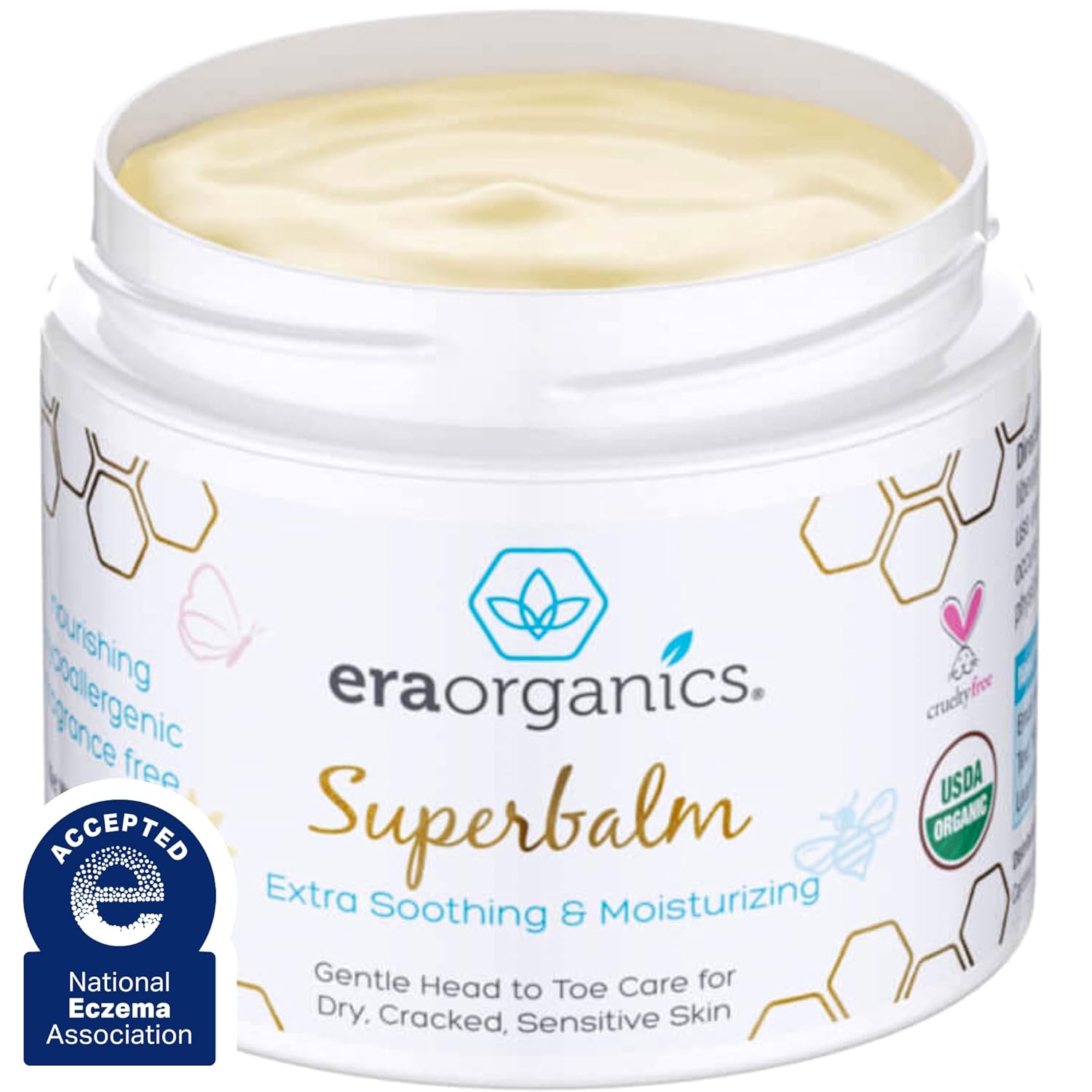
Era Organics Healing Ointment (USDA Organic)
Era Organics offers a USDA Organic certified healing ointment formulated with natural botanicals to support skin repair and soothe irritation. Perfect for families seeking certified organic wound care options without synthetic ingredients or petroleum.
What makes it special:
→ USDA Organic certification
→ Plant-based botanical formula
→ Free from petroleum, parabens, and harsh chemicals
→ Gentle on sensitive skin
→ Multi-purpose for minor wounds and skin irritations
→ Rich, nourishing texture
How to use: Clean wound thoroughly, then apply a small amount to affected area. Reapply 2-3 times daily or as needed.
Best for: Families prioritizing organic certification; sensitive skin; multi-purpose healing ointment
Pricing: $$
Shop on AmazonOther Natural Healing Options
All Good Goop Organic Skin Relief Balm

All Good Goop is a certified organic, multi-purpose healing balm that's become a favorite among families seeking clean wound care. Made with simple, recognizable ingredients, this balm works on everything from minor cuts to dry patches.
Key benefits: USDA Organic certified, petroleum-free, vegan formula, works on cuts, scrapes, and skin irritations
Best for: Families wanting one versatile balm for multiple uses; eco-conscious shoppers
Pricing: $$
Shop on AmazonWeleda Calendula Ointment

Calendula (marigold flower) has been used for centuries to support wound healing. Weleda's version is a trusted, gentle ointment made with organic calendula extract. It has natural anti-inflammatory and antimicrobial properties that can help soothe minor skin irritations.
Key benefits: Certified natural, organic calendula, gentle on sensitive skin, anti-inflammatory properties, trusted European brand
Best for: Traditional herbal healing; families who prefer European natural remedies; minor cuts and skin irritations
Pricing: $-$$
Shop on AmazonPure Aloe Vera Gel (For Burns)
For minor burns, pure aloe vera gel provides cooling relief and supports healing. Choose products that are 99-100% pure aloe with no added dyes, fragrances, or alcohol. Look for organic options when possible.
Soena Naturals Organic Aloe Vera Gel

Soena Naturals offers 100% pure organic aloe vera gel with no added ingredients—just pure, cold-pressed aloe. This is the cleanest option for cooling relief on burns and sunburns.
What to look for: 100% pure organic aloe vera; cold-pressed; no alcohol, dyes, or fragrances; non-GMO
Best for: Minor burns, sunburns, skin irritations requiring cooling relief
Pricing: $$
Shop on AmazonBadger Organic Aloe Vera Gel
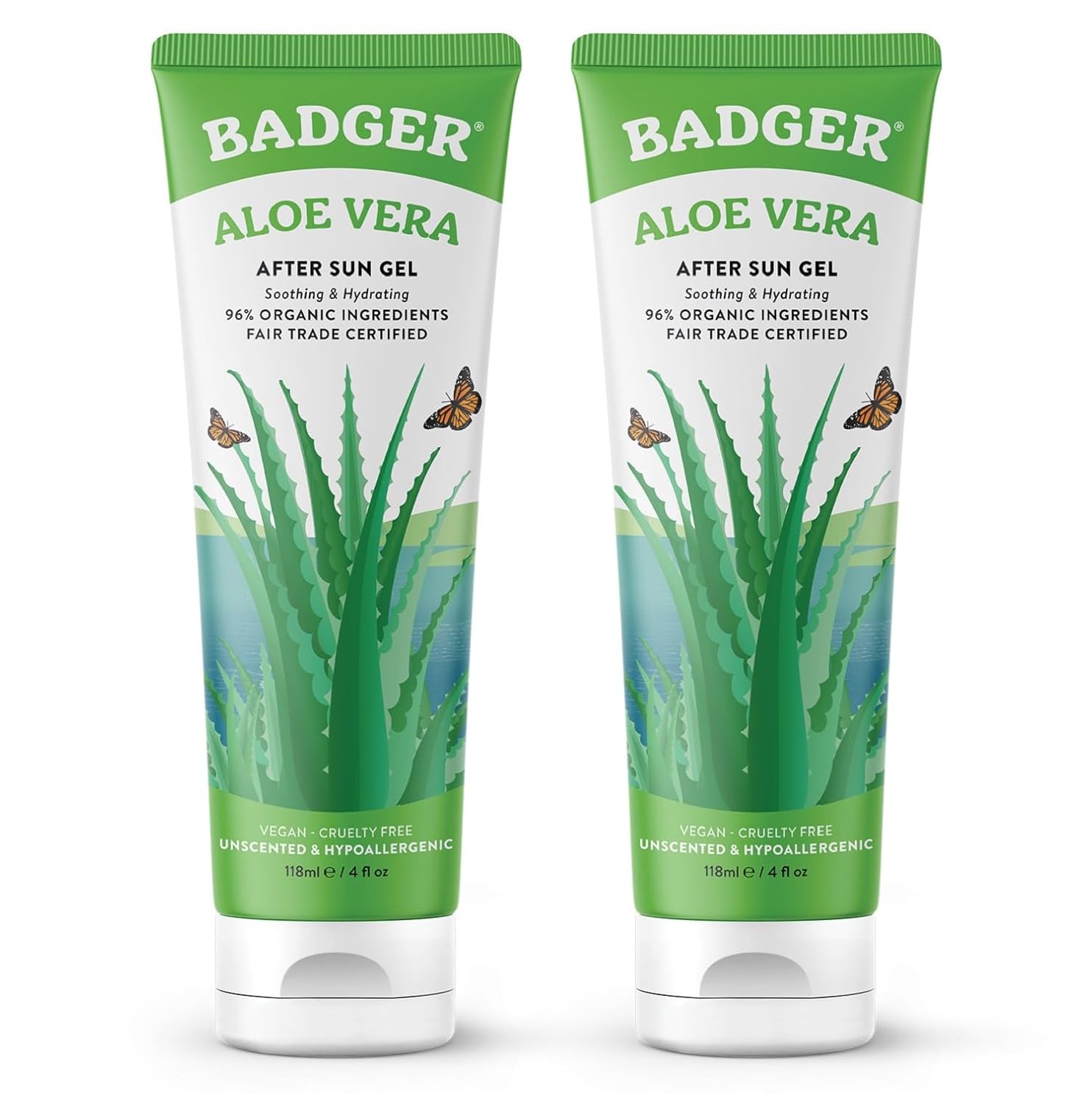
From the trusted Badger brand, this USDA Organic aloe vera gel is made with 96% organic ingredients and includes added botanicals for enhanced soothing properties. Great for burns, scrapes, and irritated skin.
What makes it special: USDA Organic; 96% organic ingredients; includes calendula and chamomile; from a trusted non-toxic brand
Best for: Families already using Badger products; those wanting added botanical benefits
Pricing: $$
Shop on AmazonAge-Specific Wound Care Recommendations
Different ages require different approaches to wound care. Here's how to tailor your first aid strategy for each developmental stage.
Babies (0-12 Months)
Babies' skin is incredibly delicate, and their wounds heal quickly on their own. In most cases, you won't need bandages for babies—their constant movement means bandages often come off quickly anyway, and there's a choking hazard if they remove and put them in their mouths.
Best Products for Babies:
Primary choice: Active Skin Repair Baby Spray - Specifically formulated for infants, sting-free, and FDA-cleared
For diaper area: Same spray works beautifully for diaper rash and irritation
If bandage needed: PATCH Coconut Oil bandages (extra gentle) - but only if baby won't pull it off
What to avoid:
→ Alcohol-based antiseptics (too harsh and stinging)
→ Conventional antibiotic ointments with petroleum
→ Bandages on areas baby can reach and remove (choking hazard)
→ Any product with artificial fragrances
When to call the pediatrician:
→ Any wound that won't stop bleeding after 10 minutes of pressure
→ Deep cuts that might need stitches
→ Signs of infection (increased redness, warmth, pus, fever)
→ Wounds on the face, especially near eyes or mouth
→ Any burn larger than baby's palm
Toddlers (1-3 Years)
Toddlers are in constant motion, which means frequent bumps, scrapes, and tumbles. At this age, the emotional component of wound care is just as important as the physical treatment. A fun bandage can stop tears faster than any medicine.
Best Products for Toddlers:
For cleaning: Active Skin Repair Baby Spray (they'll barely notice it—no sting!)
For bandages: FEBU Bamboo Bandages with fun designs or Welly's colorful patterns
For healing: Pantry Boo Boo Balm or calendula ointment
Tips for successful toddler wound care:
→ Let them choose the bandage design (gives them control)
→ Make wound cleaning a game: "Let's spray away the ouchie germs!"
→ Distract with songs or a favorite toy during cleaning
→ Celebrate their bravery with praise, not treats
→ Keep a special "boo-boo box" they can access (supervised)
Teaching moments: This age is perfect for beginning to teach gentle wound care basics. Let them help get the bandage, hold the spray bottle (with your help), or choose which color bandage they want.
Preschool (3-5 Years)
Preschoolers are developing independence and can start to understand basic wound care concepts. This is a great age to teach them about keeping cuts clean and why we use bandages.
Best Products for Preschoolers:
Full kit: PATCH Travel Kit (teach them this goes in their backpack)
Fun factor: Welly bandages in favorite designs
Learning tool: Let them spray Active Skin Repair themselves (with supervision)
Building independence:
→ Teach the basic steps: wash, spray, bandage
→ Let them clean their own minor scrapes (with supervision)
→ Explain why we keep wounds clean (in simple terms: "to help it heal faster")
→ Practice on dolls or stuffed animals
→ Read books about doctors and healing
When they need help vs. can try themselves: Preschoolers can handle washing a small scrape and putting on a bandage with help. They should always call an adult for cuts that bleed more than a little or any wound that hurts a lot.
School-Age (5-12 Years)
School-age children can take on more responsibility for minor wound care, but they still need guidance and quality supplies. This is especially important as they spend more time away from home at school, sports, and activities.

Best Products for School-Age Kids:
For backpack: PATCH Travel Kit or FEBU bandages in small pack
For sports bag: Active Skin Repair spray + variety of bandage sizes
For independence: Teach them to use all products properly
Teaching proper wound care:
→ Explain the importance of cleaning wounds before bandaging
→ Show them how to assess whether a wound needs adult help
→ Practice applying bandages that actually stay on
→ Teach when to change bandages (if it gets wet or dirty)
→ Discuss signs of infection to watch for
For sports and active kids: Keep a dedicated sports first aid kit with extra bandages in various sizes, HOCl spray, and a quick reference card. PATCH travel kits are perfect for this—compact enough for any sports bag.
When to see an adult vs. handle themselves: School-age kids can independently handle small scrapes and minor cuts that stop bleeding quickly. They should always get an adult for: cuts that won't stop bleeding, deep cuts, wounds on the face, anything that might need stitches, or if they're unsure.
Building Your Complete Non-Toxic First Aid Kit
Now that you know which products to choose, let's put together a complete non-toxic first aid kit that will cover most common childhood injuries.
Essential Items Checklist
Bandages & Wound Coverings
☐ PFAS-free adhesive bandages in multiple sizes (small, medium, large)
☐ Fingertip and knuckle bandages (high-flex areas)
☐ Large bandages for knees and elbows
☐ Sterile gauze pads 2x2 and 4x4 inch (All Terrain latex-free sterile gauze)
☐ Medical tape - surgical paper tape (Dimora paper medical tape)
☐ Elastic bandage wrap for sprains
Wound Cleaning & Treatment
☐ Hypochlorous acid spray (Active Skin Repair Baby Spray or similar)
☐ Alternative: Saline wound cleanser (Dimora Skin and Wound Cleanser)
☐ Hypochlorous acid gel for burns (Active Skin Repair Hydrogel)
☐ Natural healing balm - choose one or more: Pantry Boo Boo Balm, Era Organics Healing Ointment, or All Good Goop
☐ Pure organic aloe vera gel for burns (Soena Naturals or Badger)
☐ Optional: Calendula ointment for extra soothing
Tools & Supplies
☐ Stainless steel tweezers for splinters (precision tweezers)
☐ Stainless steel bandage scissors (medical scissors)
☐ Nitrile gloves (latex-free, for treating others' wounds)
☐ No-touch digital thermometer (infrared thermometer)
☐ Organic cotton swabs (plastic-free cotton swabs)
☐ Small flashlight (for examining wounds)
Reference Materials
☐ Basic first aid instruction card
☐ Emergency contact numbers
☐ List of allergies/medical conditions for family members
☐ Poison control number (1-800-222-1222)
Frequently Asked Questions
Are all Band-Aids toxic?
Not all, but many. The Mamavation study found that 65% of tested bandages contained PFAS markers. Band-Aid brand specifically had several products test positive for high levels of PFAS, with their OURTONE Flexible Fabric bandages showing the highest reading at 374 PPM. However, some Band-Aid products tested lower or negative. The safest approach is to choose brands that have been independently verified as PFAS-free, like PATCH, FEBU, or Welly.
What does "PFAS-free" actually mean?
PFAS-free means a product does not contain detectable levels of per- and polyfluoroalkyl substances (PFAS), also known as "forever chemicals." In the Mamavation study, products were tested for organic fluorine, which serves as a marker for PFAS presence. Products labeled PFAS-free either tested below detection limits (typically under 10 PPM) or have been third-party certified to not contain these chemicals. Look for products that have been independently lab-tested rather than relying solely on manufacturer claims.
Can bamboo bandages get wet?
Yes! Quality bamboo bandages like PATCH and FEBU are designed to stay on even when wet. The adhesives used are water-resistant and will remain in place through hand washing, light swimming, and showering. However, like any bandage, they work best when applied to clean, dry skin initially. If a bamboo bandage does come off when wet, simply clean the area again and apply a fresh one.
Are PFAS-free bandages as effective as regular bandages?
Absolutely. PFAS-free bamboo bandages work just as well—if not better—than conventional plastic bandages. Bamboo fiber is naturally antimicrobial and breathable, which can actually promote faster healing compared to plastic bandages that trap moisture. The mineral-based adhesives used in quality PFAS-free bandages stick just as well as conventional adhesives. In fact, many users report that bamboo bandages are more comfortable and less likely to irritate sensitive skin.
What is hypochlorous acid and is it safe?
Hypochlorous acid (HOCl) is a molecule that your white blood cells produce naturally as part of your immune response to fight infection and promote healing. When produced in a lab (by electrically charging a solution of salt, water, and vinegar), it becomes a powerful yet gentle antimicrobial agent. It's FDA-cleared for wound care, completely safe for all ages including babies, and doesn't sting or burn like traditional antiseptics. It's actually safer and more effective than alcohol or harsh chemical antiseptics because it works with your body's natural healing process rather than against it.
When should I use a bandage vs. letting a wound air out?
The old advice about "letting wounds breathe" has been largely debunked by modern wound care research. For most minor cuts and scrapes, keeping the wound covered with a clean bandage actually promotes faster healing and reduces scarring. Use a bandage when: the wound might get dirty, you need to protect it from further injury, or it's in an area that rubs against clothing. Let it air out when: it's very minor and unlikely to get dirty, the wound has scabbed over and is well into healing, or you're sleeping and the wound isn't at risk of rubbing against sheets. The key is keeping it clean—whether covered or not.
How do I treat minor burns naturally?
For minor first-degree burns (red skin without blistering): First, immediately cool the burn with cool (not ice-cold) running water for 10-15 minutes. Once cooled, you can apply Active Skin Repair Hydrogel for cooling relief and to support healing, or pure aloe vera gel. Cover loosely with a clean, non-stick bandage if needed. Never apply butter, oils, or ice directly to burns. For any burn larger than a few inches, burns with blistering (second-degree), or burns on the face, hands, feet, or genitals, seek medical attention.
When should I see a doctor instead of using home first aid?
Seek medical attention for: any wound that won't stop bleeding after 10 minutes of direct pressure; deep cuts that might need stitches (if you can see fat, muscle, or bone, or if the edges don't stay together); wounds on the face, especially near the eyes; puncture wounds (from nails, needles, or animal bites); signs of infection (increasing redness, warmth, swelling, pus, red streaks, or fever); any burn larger than 3 inches or with blistering; wounds in people with diabetes or compromised immune systems; or if you're unsure about tetanus vaccination status and it's been more than 5 years since the last shot.
Are latex-free bandages safer?
Latex-free bandages are essential for people with latex allergies (which affects 1-6% of the population) and are generally recommended for everyone. Even if you don't have a known latex allergy, repeated exposure to latex can sometimes trigger sensitivity over time. All the bamboo bandages we recommend (PATCH, FEBU, All Better Co.) are naturally latex-free, as are many synthetic options like Welly and TRU COLOUR. Choosing latex-free products eliminates one potential allergen and makes your first aid kit safe for anyone who might need it.
Can I use these products on babies?
Yes, but with some caveats. Active Skin Repair Baby Spray is specifically formulated and FDA-cleared for use on babies, making it the safest choice for infant wound care. For bandages on babies, you typically don't need them—baby skin heals quickly on its own, and bandages present a choking hazard if baby removes them and puts them in their mouth. If you do need a bandage on a baby, choose the gentlest option (PATCH Coconut Oil bandages) and place it where baby can't reach it. Always supervise babies with bandages and remove them if baby shows signs of trying to pull them off.
How long do bamboo bandages last before expiring?
Bamboo bandages typically have a shelf life of 2-3 years from the date of manufacture when stored properly (cool, dry place away from direct sunlight). FEBU specifically states their bandages have a 3-year shelf life. The expiration date isn't strict—bandages may continue to function well past the suggested date. The main concern with expired bandages is that the adhesive may lose effectiveness over time. Always check the packaging for expiration dates and refresh your first aid kit annually to ensure you have fresh supplies when you need them.
Do I need antibiotic ointment, or can I skip it?
For most minor cuts and scrapes, antibiotic ointment isn't necessary. Cleaning the wound properly with water or hypochlorous acid spray is usually sufficient. In fact, overuse of antibiotic ointments can contribute to antibiotic resistance, and many people develop contact dermatitis from neomycin (a common ingredient). If you want something to help with healing and provide a protective barrier, natural alternatives like Pantry Boo Boo Balm or calendula ointment work well. Reserve actual antibiotic ointments for situations where infection risk is higher (like deep puncture wounds or wounds with obvious contamination), and consult a doctor if you suspect infection has already set in.
How do I remove a splinter safely?
To remove a splinter: First, wash your hands and the affected area with soap and water. Sterilize tweezers with rubbing alcohol or by holding them in a flame (let them cool first). If the splinter is protruding, grasp it with tweezers as close to the skin as possible and pull it out at the same angle it went in. If the splinter is embedded, you may need to use a sterilized needle to gently expose more of it before using tweezers. After removal, clean the area with water or hypochlorous acid spray, apply a small amount of healing balm if desired, and cover with a small bandage. If the splinter is very deep, large, or embedded near the eye or under a fingernail, see a doctor for removal.
Can I make my own first aid products?
While you can make some simple first aid items at home (like saline wound wash using distilled water and salt), the reality is that commercially available non-toxic products are generally safer and more effective. Homemade wound care products run the risk of contamination, incorrect ingredient ratios, or using ingredients that may not be as safe as you think. The FDA-cleared hypochlorous acid sprays, lab-tested PFAS-free bandages, and properly formulated natural balms are worth the investment. If you want to DIY, stick to simple things like saline wound wash and save the more complex formulations to the professionals who can ensure proper pH balance, sterility, and safety.
Where can I verify if a product is truly PFAS-free?
The most reliable verification comes from independent third-party lab testing, like the Mamavation study conducted by an EPA-certified laboratory. Look for brands that: explicitly state they've been third-party tested for PFAS (like FEBU and PATCH); were included in the Mamavation study and tested negative; or provide lab reports on their websites. Be wary of vague "non-toxic" or "eco-friendly" claims without specific PFAS testing documentation. You can also check the Mamavation website for their full list of tested products and results. When in doubt, stick with bamboo-based bandages from reputable brands, as these are inherently PFAS-free by nature of their materials.
Final Thoughts
Building a non-toxic first aid kit isn't about perfection—it's about progress. Every conventional product you replace with a safer alternative reduces your family's exposure to harmful chemicals. Start with the basics, add products as you can, and remember that even small changes make a difference.
Your children's bodies are still developing, making them more vulnerable to the effects of toxic chemicals. By choosing PFAS-free bandages, gentle hypochlorous acid sprays, and natural healing balms, you're not just treating wounds—you're protecting their long-term health.
The fact that you're here, reading this guide and taking steps to make informed choices, shows you're the kind of parent who cares deeply about what goes in and on your children's bodies. That commitment matters. Trust your instincts, choose products from brands that prioritize transparency and testing, and don't hesitate to ask questions when labels aren't clear.
Here's to safer healing, fewer chemicals, and the peace of mind that comes from knowing you're doing right by your family.
Not Sure About a Product's Ingredients?
Use our SafeScout tool to check any first aid product for harmful ingredients. Click the chat icon in the bottom right corner to ask SafeScout about any product's safety.